
Why Bridal Gowns Discolor Over Time, According to Parkway Experts
North Bethesda, United States - April 27, 2026 / Parkway Custom Drycleaning /
Parkway Custom Drycleaning Explains Why Wedding Dresses Yellow
Understanding the Hidden Causes Behind Post-Wedding Discoloration
Parkway Custom Drycleaning is shedding light on a common concern among brides: why wedding dresses, often worn only once, begin to yellow over time. While bridal gowns are crafted from elegant materials such as silk and fine blends, these delicate fabrics are naturally more reactive to environmental and chemical changes than more durable textiles.
Even when a gown appears clean and is carefully stored after the wedding day, unseen residues and improper storage conditions can initiate a slow discoloration process. Understanding these contributing factors can help brides take proactive steps to protect their gowns for years to come.

Invisible Residue Left Behind After the Wedding Day
A wedding dress does not require visible stains to experience long-term damage. In many cases, discoloration begins with microscopic residue embedded in the fabric during the celebration.
Sweat and Perspiration
Throughout the event, natural perspiration accumulates due to movement, emotion, and physical activity. Sweat contains salts and proteins that settle into fabrics like silk and satin. Over time, these compounds react with oxygen, gradually leading to yellowing.
Body Oils
Contact points such as the neckline, straps, and bodice absorb oils from the skin. Initially invisible, these oils oxidize as they age, eventually creating yellow or brown discoloration in affected areas.
Champagne and Beverages
Clear beverages, including champagne, leave behind sugar-based residues that may not be immediately noticeable. Even when blotted, microscopic traces can remain embedded in the fabric fibers.
Cake and Sugary Substances
During moments such as cake cutting, frosting or crumbs may come into contact with the gown. Though unnoticed at the time, sugar residues can darken over time, leaving visible stains months later.
Makeup and Fragrance
Cosmetic products such as foundation, bronzer, and perfume often transfer onto the dress. These substances contain oils and pigments that gradually alter the fabric’s appearance as they break down.
Even when a gown appears spotless, these invisible contaminants can initiate long-term chemical reactions within the fabric.
How Sugar-Based Stains Darken Over Time
Among the most overlooked causes of discoloration are sugar-based residues. These substances often dry clear, making them difficult to detect immediately after the event.
The Oxidation Process
When sugar remains in fabric, it reacts with oxygen in the air. This reaction changes its chemical structure, causing it to darken gradually and form yellow stains over time.
Heat Activation
Elevated temperatures accelerate this process. Storage in warm environments, such as closets or attics, can speed up sugar breakdown and intensify discoloration.
Delayed Appearance
One of the most misleading aspects of sugar stains is their delayed visibility. What appears clean initially may develop noticeable yellowing months later, once the chemical process has progressed.
The Risk of Delaying Professional Cleaning
Many brides postpone cleaning their wedding dress after the event, often underestimating how quickly damage can develop.
Chemical Reactions Setting In
Residues left in the fabric begin bonding at a microscopic level. As sweat, oils, and sugars interact with oxygen and light, they alter the structure of the material, making restoration more difficult over time.
Continuous Oxidation
Exposure to air allows oxidation to persist. Without proper cleaning and preservation, discoloration can deepen and spread beyond the original contact areas.
The Importance of Timing
The weeks immediately following the wedding are critical. During this period, contaminants are still removable. Early intervention through professional Wedding Dress Cleaning and Preservation Service significantly improves the likelihood of preventing permanent yellowing.
Why Standard Storage Methods Can Accelerate Damage
Improper storage is another major contributor to wedding dress discoloration. Common storage solutions often do more harm than good.
Plastic Garment Bags
Plastic can trap moisture and release gases as it degrades. These conditions promote chemical reactions that contribute to fabric discoloration while preventing proper airflow.
Cardboard Boxes
Standard cardboard contains acids that can transfer into the gown, especially in humid environments, causing yellowing along folds and contact points.
Attics and Garages
Extreme temperature fluctuations in these spaces accelerate fabric deterioration. Heat speeds up oxidation, while cold conditions can weaken delicate fibers.
Humidity Exposure
Moisture buildup encourages mildew and fiber breakdown. Even minimal humidity can create damaging conditions within improperly sealed containers.
Professional preservation methods utilize acid-free materials and controlled environments to minimize these risks and extend the life of the gown.
How Professional Cleaning Interrupts the Yellowing Process
Parkway Custom Drycleaning emphasizes that proper cleaning and preservation do more than restore a gown’s appearance—they actively prevent long-term damage.
Comprehensive Cleaning
Specialists perform full-garment cleaning, addressing not only visible stains but also hidden contaminants within linings, seams, and underskirts.
Targeted Contaminant Removal
Advanced, fabric-specific cleaning solutions are used to dissolve oils, sugars, and residues without damaging delicate materials.
Controlled Drying Process
Careful drying in a regulated environment prevents heat damage and eliminates residual moisture that could trigger further discoloration.
Preservation Preparation
After cleaning, gowns are stored using acid-free tissue and archival-quality containers designed to reduce light exposure and limit oxygen interaction.
These professional processes effectively halt the chemical reactions responsible for yellowing, preserving the integrity of the dress.
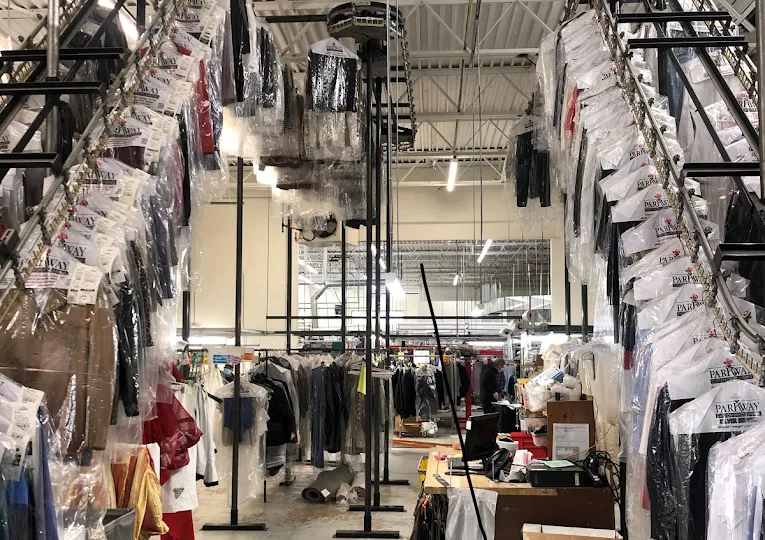
Parkway Custom Drycleaning Offers Expert Wedding Dress Preservation
Parkway Custom Drycleaning continues to lead the industry in wedding dress care, offering specialized Wedding Dress Cleaning and Preservation Service designed to protect gowns from discoloration and long-term damage.
Recognized by Washingtonian Magazine as “The most reputable wedding dress specialist in the D.C. area” and a recipient of the Best of The Knot Weddings award, the company has been preserving bridal gowns since 1926. Their specialists use hand-cleaning techniques, controlled air drying, and archival preservation methods to maintain both simple and couture dresses.
With time playing a critical role in stain removal and fabric preservation, Parkway Custom Drycleaning encourages brides to act promptly after their wedding day.
For more information or to schedule an inspection, contact Parkway Custom Drycleaning at 301-396-7016 or email admin@parkwaydrycleaning.com. Their team is available at the North Bethesda location to provide expert guidance and personalized service.


Contact Information:
Parkway Custom Drycleaning
5455 Randolph Rd, North Bethesda, MD 20852, United States
North Bethesda, MD 20852
United States
Jon Simon
https://www.parkwaydrycleaning.com/


Original Source: https://www.parkwaydrycleaning.com/why-so-many-wedding-dresses-turn-yellow-after-the-wedding/
