
Cold-Season Conditions and Their Impact on South Carolina Commercial Building Projects
Timmonsville, United States - January 15, 2026 / Delta Building Systems /
Winter weather can affect commercial construction projects in South Carolina, presenting challenges that require careful planning and preparation. This article will explore the various ways winter weather impacts construction, including temperature fluctuations, frozen ground conditions, and the specific challenges posed by cold weather. Readers will learn about best practices for optimizing concrete pouring in cold conditions, winterizing metal buildings, and effective project management strategies to prevent delays. By understanding these factors, construction professionals can better prepare their projects for the winter months, ensuring safety and efficiency.
What Are the Key Winter Weather Challenges for Commercial Construction in South Carolina?
Winter weather in South Carolina can introduce several challenges for commercial construction projects. These challenges primarily stem from temperature swings, occasional frozen ground conditions, and the impact of freezing rain on construction materials. Understanding these factors is crucial for effective project planning and execution.
How Do Temperature Swings and Freezing Rain Affect Construction Materials?
Temperature swings and freezing rain can impact construction materials, particularly concrete and metal components. When temperatures fluctuate, concrete may not cure properly, leading to reduced strength and durability. Additionally, freezing rain can create hazardous conditions on job sites, increasing the risk of accidents and delays. It is essential for construction teams to monitor weather forecasts closely and adjust their schedules accordingly to mitigate these risks.
What Are the Risks of Frozen Ground and Subgrade Conditions?
Frozen ground presents risks during excavation and foundation work. When the ground is frozen, it becomes more difficult to dig and prepare sites for construction, potentially leading to delays. Moreover, frozen subgrade conditions can compromise the stability of foundations, increasing the likelihood of structural issues later on. Projects that fail to account for these conditions often face costly setbacks.
Addressing these risks, proper foundation design and ground treatment are critical for preventing frost heave and ensuring structural integrity in cold climates.
How Can Cold Weather Concrete Pouring Be Optimized in South Carolina?
Optimizing concrete pouring in cold weather is essential to ensure the integrity and durability of the finished product. There are several best practices that construction teams can implement to achieve this.
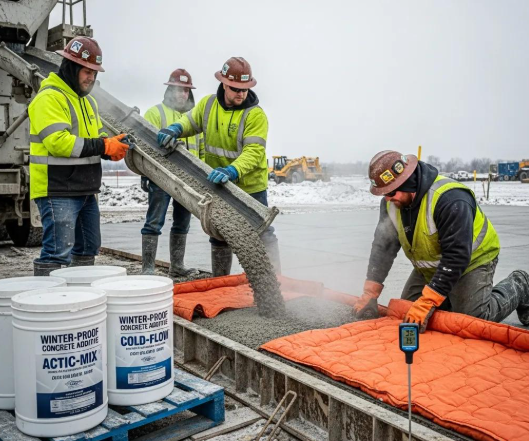
Use of Insulating Blankets: Covering freshly poured concrete with insulating blankets helps retain heat and prevents freezing during the curing process.
Temperature Monitoring: Regularly monitoring the temperature of the concrete mix and the ambient conditions can help ensure that the concrete cures properly.
Cold Weather Additives: Incorporating cold weather concrete additives can enhance the curing process and improve the concrete's resistance to freezing.
For those looking to implement these strategies effectively, Delta Building Systems Inc. specializes in providing comprehensive services for cold weather concrete pouring, ensuring that projects remain on schedule and within budget.
What Are Best Practices for Preventing Concrete Freezing During Curing?
Preventing concrete from freezing during curing is critical for maintaining its strength. Best practices include using heated enclosures to maintain optimal temperatures and selecting concrete mixes designed for cold weather. Additionally, scheduling pours during the warmest part of the day can help mitigate freezing risks.
Which Cold Weather Additives and Protective Measures Are Recommended?
Several cold weather additives can enhance the performance of concrete in low temperatures. These include accelerators that speed up the curing process and air-entraining agents that improve freeze-thaw resistance. Protective measures, such as using insulated forms and windbreaks, can also help maintain the necessary temperature for curing.
How Should Metal Buildings Be Winterized for South Carolina’s Climate?
Winterizing metal buildings is important to protect them from the effects of cold weather. Proper maintenance and preparation can extend the lifespan of these structures and prevent costly repairs.
What Maintenance Steps Protect Metal Building Components from Winter Damage?
To protect metal building components from winter damage, regular maintenance is crucial. This includes sealing joints and seams to prevent moisture infiltration, inspecting insulation for damage, and ensuring that drainage systems are clear of debris. Regular inspections can help identify potential issues before they escalate into significant problems.
How Do Temperature Fluctuations Influence Metal Building Durability?
Temperature fluctuations can lead to material fatigue in metal buildings, causing expansion and contraction that may affect structural integrity. To mitigate these effects, it is essential to use high-quality materials designed to withstand temperature changes and to implement proper design practices that accommodate thermal movement.
What Project Management Strategies Prevent Winter Construction Delays in South Carolina?
Effective project management strategies are vital for preventing delays caused by winter weather. By anticipating potential challenges and planning accordingly, construction teams can maintain productivity throughout the winter months.
How Can Site Preparation and Temporary Enclosures Mitigate Weather Risks?
Proper site preparation is essential for minimizing weather-related risks. This includes grading the site to ensure proper drainage and using temporary enclosures to protect work areas from freezing rain and occasional snow. These measures can help maintain a safe and efficient work environment, reducing the likelihood of delays.
What Worker Safety Protocols Are Essential During SC Winters?
Worker safety is paramount during winter construction. Essential protocols include providing appropriate personal protective equipment (PPE) to guard against cold exposure, implementing training programs focused on winter safety, and ensuring that workers are aware of the signs of cold-related illnesses. By prioritizing safety, construction teams can protect their workforce while maintaining productivity.
Emphasizing the broader implications of cold weather, effective risk management models are crucial for mitigating health, safety, and productivity challenges in construction.
- Site Preparation: Proper grading and drainage reduce water accumulation and freezing risks.
- Temporary Enclosures: Protect work areas from freezing rain and ice while maintaining a safe working environment.
- Worker Safety Protocols: Use of PPE and proper training helps prevent cold-related illnesses and injuries.
In conclusion, understanding the impacts of winter weather on commercial construction is essential for successful project execution. By implementing best practices for cold weather concrete pouring, winterizing metal buildings, and employing effective project management strategies, construction teams can navigate the challenges posed by winter weather and ensure the safety and efficiency of their projects.

Contact Information:
Delta Building Systems
3116 N Sally Hill Rd
Timmonsville, SC 29161
United States
Keith Hill
(843) 413-1712
https://www.deltabuildingsystemsinc.com


Original Source: https://deltabuildingsystemsinc.com/media-room/#/media-room
