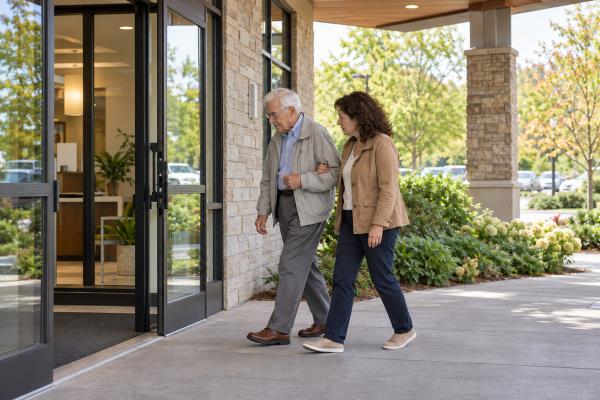
(StatePoint) A bladder cancer diagnosis can be overwhelming. As a caregiver, you can play an important role in navigating a loved one’s journey. To identify meaningful ways to be helpful during a challenging time, consider the following insights into bladder cancer diagnosis and care:
Approaching healthcare provider visits: Beyond coordinating schedules and transportation, there are many ways to play a supportive role around medical visits. You can help your loved one prepare for appointments by discussing questions or concerns they may want to raise with their healthcare team. Consider attending these visits so you can take notes to help keep track of important information and next steps while your loved one focuses on the conversation. After the visit, you can check in with your loved one about what was discussed and whether there is anything they would like additional information or clarification on.
Understanding diagnosis and care options: An accurate diagnosis can provide important information about your loved one’s bladder cancer and help inform conversations with their healthcare team about next steps in their care.
As you learn more about bladder cancer together, you might want to become familiar with the different procedures and approaches that may be available. This information can help you better understand the care journey and options to discuss with your loved one’s healthcare team.
In particular, you may want to become educated about the cystoscopy procedure, because it is one very common approach, which urologists typically use to examine the bladder using standard white light, identify areas of concern, and collect tissue samples for further evaluation.
Another approach you may hear about is Blue Light Cystoscopy (BLC), which uses a combination of blue light and white light to examine the bladder lining. BLC can help urologists identify additional tumors that are difficult to see in white light alone. As a result, more suspicious lesions can be removed and the tissue tested by a pathologist. The resulting pathology report can give the healthcare team more accurate information for determining the severity of the cancer, which can inform subsequent care decisions.
Be sure that you or your loved one talks with the urologist about whether Blue Light Cystoscopy may be an option. To learn more about bladder cancer and Blue Light Cystoscopy, visit https://rebrand.ly/SP-Caregiving.
Staying informed and finding additional support: You can provide better caregiving by staying informed -- starting at home. Listen to your loved one, encourage open communication and be there when they need support. You should also consider turning to educational resources and support networks. Educating yourself will not only help you stay up to date on bladder cancer procedures and care, but it will also offer an opportunity to connect with others and navigate your own caregiving experience. It’s also important to prioritize your own well-being and recognize when you personally may need additional support. Take time for yourself and be sure to coordinate with family and friends when help is needed.
As a care partner, you are an important figure in your loved one’s care journey. Staying healthy, organized and informed, and understanding their individual needs and concerns, can help you provide meaningful practical and emotional support. Sponsored by Photocure Inc.
