(StatePoint) Over the last decade, national research has documented a persistent gap between how parents perceive their child’s academic performance and how students are actually performing. Now, that gap is beginning to narrow a bit, and education advocates say that this is a good sign.
The report, “Parents 2026: Shifting Mindsets in a Time of Disruption,” from the education non-profit Learning Heroes, reveals how K-12 public school parents are thinking about education today, and shares insights into how families can engage in their child’s learning journey.
“We’re encouraged by the most recent data showing that parents are gaining a more realistic understanding of how their children are achieving academically,” said Bibb Hubbard, founder and CEO of Learning Heroes. “This matters because the parents who know their children are behind grade level are more likely to take the actions that have been empirically shown to improve student outcomes. Despite this progress, there’s still a long way to go.”
The report also revealed that curriculum and learning tools matter to parents. They are eager to support their children’s learning, but want greater visibility into what’s being taught in the classroom. And amid evolving views on technology, parents want to understand how their children will benefit from AI tools in school when it comes to building their foundational reading and math skills.
Past Learning Heroes’ research shows that teachers report the best way to understand how a student is doing in school is to ask the teacher for their in-class observations.
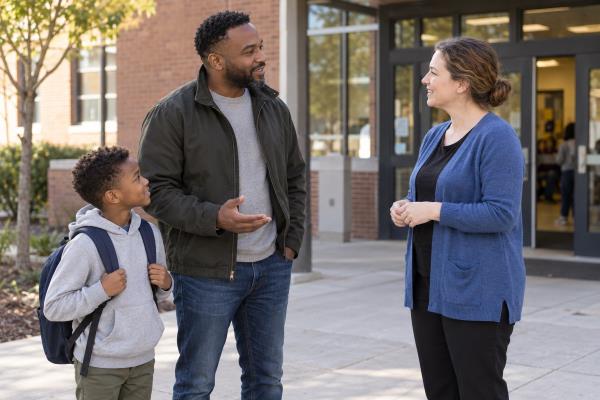
To help families and teachers team up around student learning, Learning Heroes launched the national Go Beyond Grades campaign. It includes practical tools and resources that strengthen family-school partnerships. The campaign offers three tips for families seeking to team up with their child’s teacher:
1. Make a plan: Find out how to support learning at home and keep the conversation with the teacher going throughout the year. Whether it’s by text, email, phone or an app, agree on the best way to stay in touch.
2. Ask questions: The disconnect between parent perception and student performance often stems from relying on grades alone. While report card grades matter, they don’t fully reflect whether a child is meeting grade-level expectations. To get a more complete picture, ask the teacher what your child should know and be able to do this year in reading and math, if they’re on track, and how you can help reinforce what they are learning in class at home. Ask for examples of what “grade-level” work looks like and which specific math and literacy skills are most important for you to support.
3. Build attendance habits: Every school day supports your child’s academic growth, lifelong skills, relationships, and overall well-being. Build the habit of good attendance from the early grades through high school. Talk with your child’s teacher about attendance and any challenges that may be getting in the way.
Go Beyond Grades offers free tools, tips and resources that help families understand how their children are performing, actions they can take, and ways to partner with teachers. To access these resources in English or Spanish, visit https://gobeyondgrades.org/.
“With a more holistic understanding of how their child is performing, parents can make informed decisions about the best path forward and access support to help them succeed,” says Hubbard.
*****
